What Can We Actually Find on an Exoplanet? Part 3: Reading the Face of a Planet
Credit: NASA (public domain)." height="720" src="https://www.universetoday.com/article_images/header_20260814_095744.jpg" width="1280" />
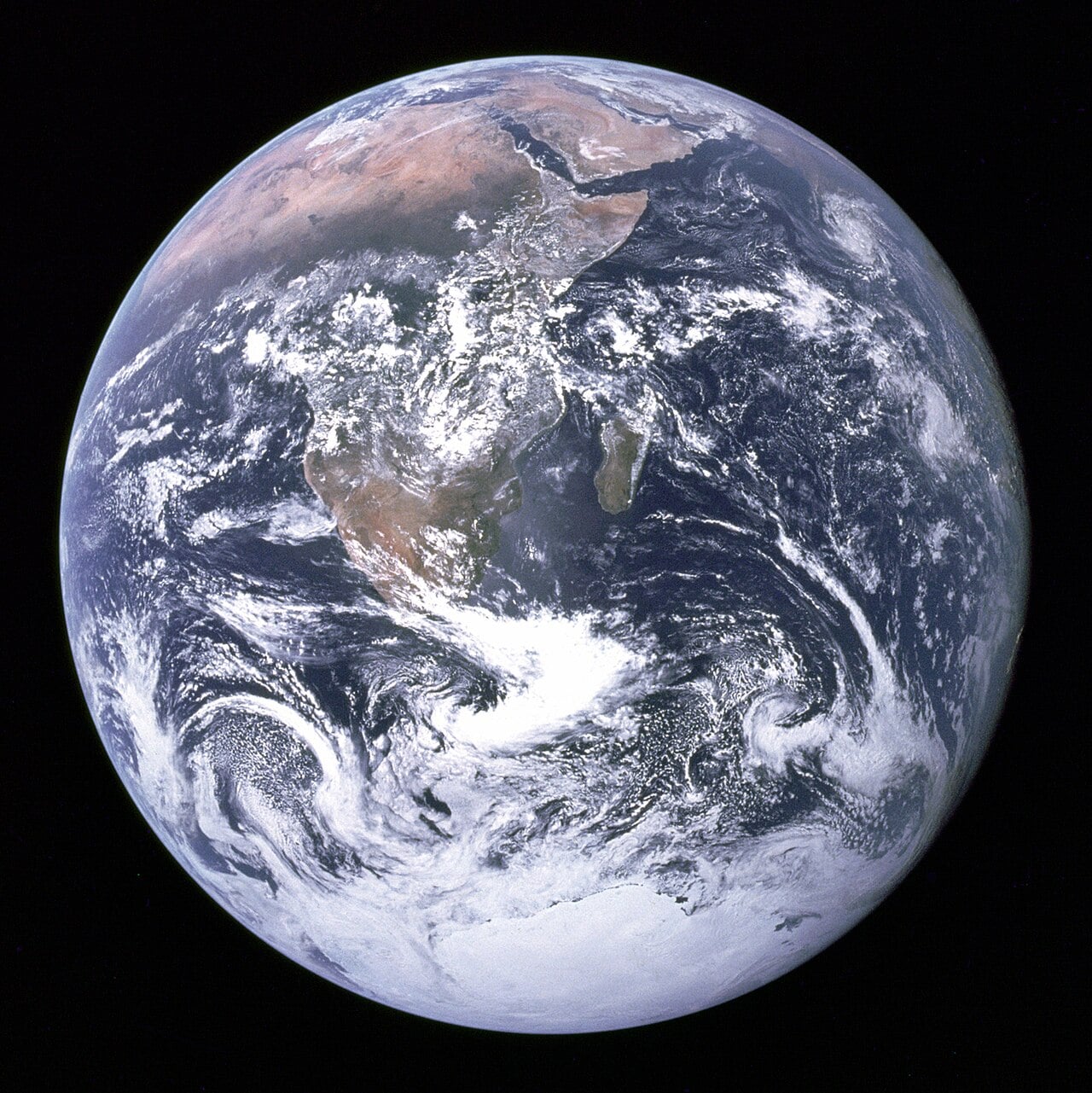
A single pixel of light holds astonishing detail.
How ocean glint, rotational mapping, and the vegetation red edge let us read a distant planet's oceans, continents, and even forests, all without ever resolving it as more than a point.